Why Deleting Files Isn’t Enough: Understanding Secure Data Destruction
Every day, businesses delete files believing their sensitive information has been permanently erased. Unfortunately, that isn’t always the case.
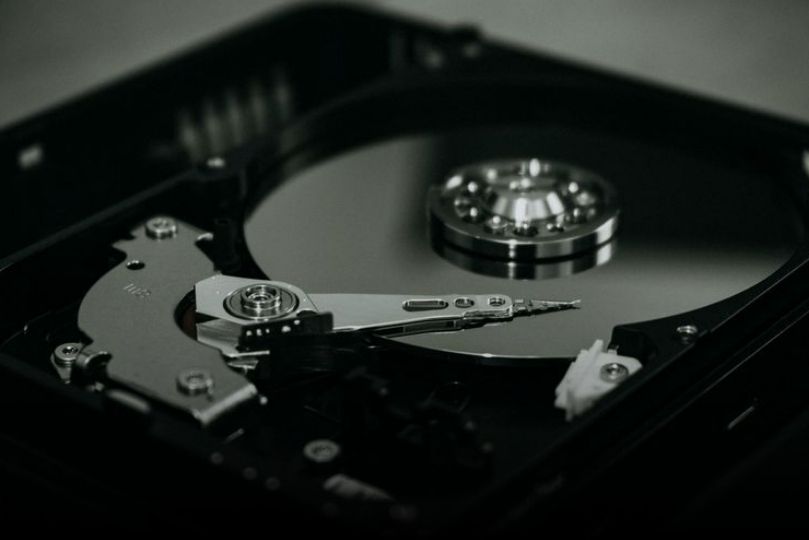
Whether you’re upgrading laptops, replacing servers or disposing of old hard drives, simply dragging files to the recycle bin or formatting a drive does not guarantee that the data is gone. In many cases, information can still be recovered using readily available software, leaving your organisation exposed to data breaches, financial loss and regulatory penalties.
What Happens When You Delete a File?
When a file is deleted, your operating system typically removes the reference to the data rather than the data itself. The information often remains on the storage device until it is overwritten by new data.
This means that documents containing customer information, financial records, employee data or confidential business information may still be recoverable long after they have been “deleted”.
Why Is This a Business Risk?
Many organisations regularly retire or replace IT equipment as part of their technology lifecycle. Without secure data destruction, those devices may still contain:
- Customer and client information
- Employee records
- Financial documents
- Emails and correspondence
- Intellectual property
- Login credentials and passwords
- Confidential business information
If this data falls into the wrong hands, the consequences can include reputational damage, financial penalties and potential breaches of GDPR and other data protection regulations.
Formatting a Drive Isn’t Enough Either
A common misconception is that formatting a hard drive completely removes its contents. While formatting prepares a drive for reuse, standard formatting methods often leave recoverable data behind.
Unless specialist data sanitisation methods are used, sensitive information may still be accessible.
What Is Secure Data Destruction?
Secure data destruction ensures that information cannot be recovered once a device reaches the end of its lifecycle.
Depending on the type of device and your organisation’s requirements, this may include:
- Certified software-based data erasure
- Physical destruction of storage media
- Shredding of hard drives or SSDs
- Degaussing of magnetic media
- Secure chain of custody throughout the disposal process
The appropriate method depends on the device, the sensitivity of the information it contains and any regulatory requirements your organisation must meet.
Why Certification Matters
Choosing a professional IT Asset Disposition (ITAD) provider gives businesses confidence that data has been destroyed securely and in accordance with recognised industry standards.
A reputable provider should offer:
- Fully documented chain of custody
- Asset tracking throughout the process
- Certificates of data destruction
- Environmentally responsible recycling and refurbishment
- Compliance with recognised industry standards and best practices
This documentation provides an auditable record that demonstrates your organisation has taken appropriate steps to protect sensitive information.
Secure Disposal Is About More Than Compliance
Proper data destruction doesn’t just reduce regulatory risk. It also protects your customers, employees and reputation.
At the same time, responsible IT asset disposal allows organisations to maximise the value of retired equipment through refurbishment where appropriate, while ensuring equipment that cannot be reused is recycled responsibly.
Protect Your Business Beyond the Delete Button
Deleting files is only the first step. When IT equipment reaches the end of its life, organisations need confidence that their data has been permanently removed before devices leave their control.
Working with an experienced IT asset disposal partner ensures your retired equipment is handled securely, your sensitive data is protected and your organisation remains compliant throughout the entire process.